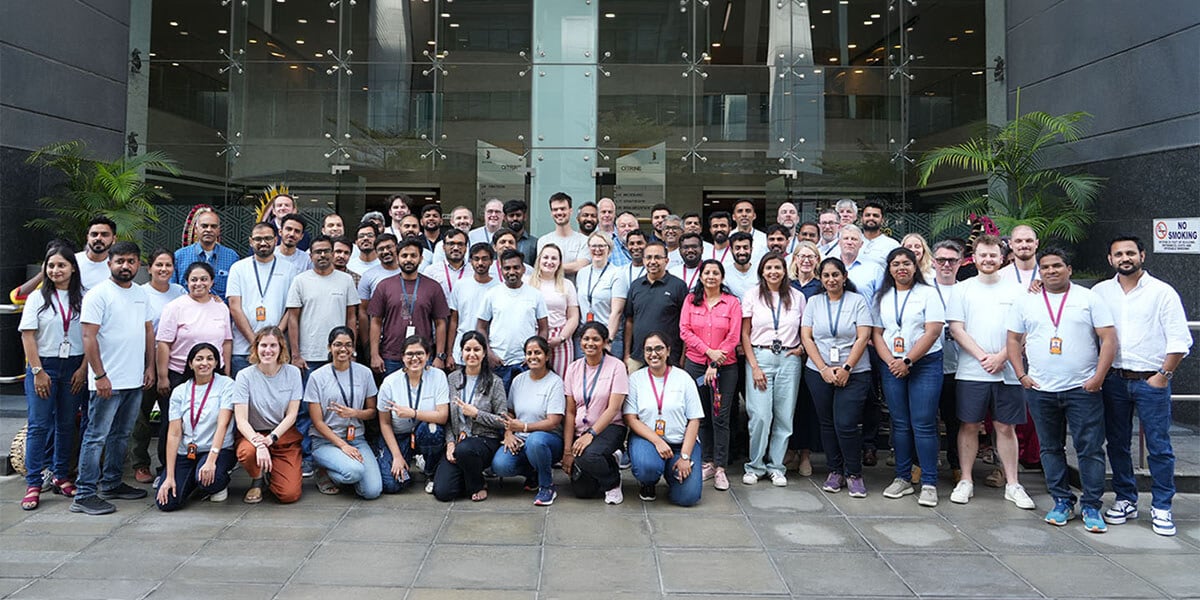
Graphcore’s new AI Engineering Campus in Bengaluru marks a significant investment in the future of AI computing and in the engineers who will build it. As a wholly owned subsidiary of SoftBank Group, Graphcore is scaling its end-to-end system capabilities to help shape the next generation of compute for artificial intelligence.
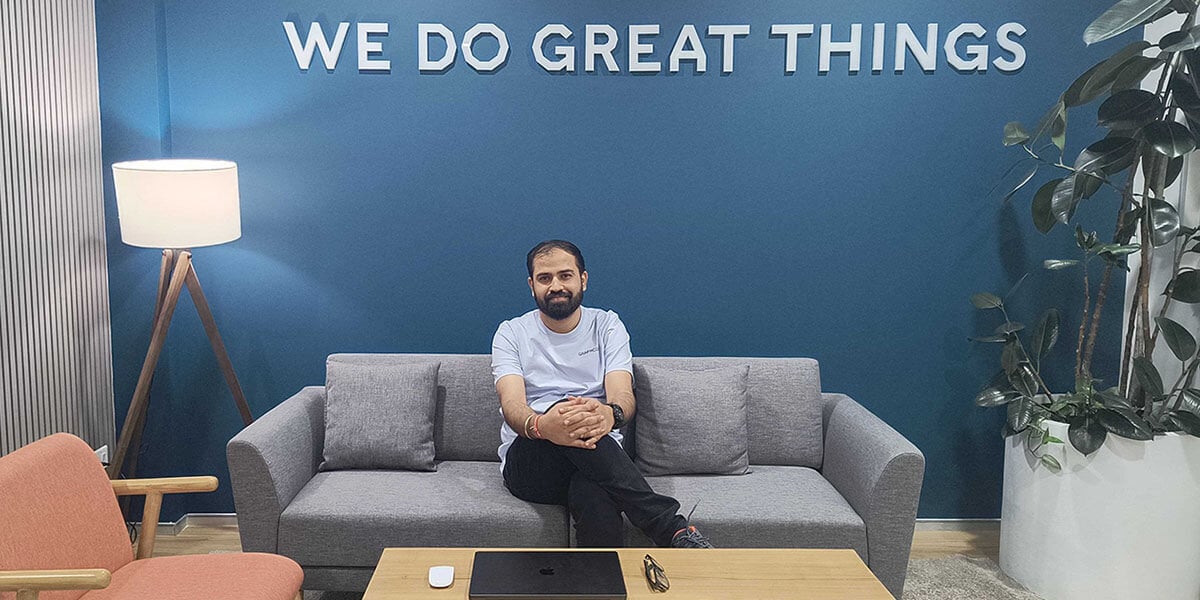
We spoke to one of our first cohort of engineers in Bengaluru, Manoj, about the decision behind joining Graphcore, what he was looking for in his next challenge, and how his early experience is shaping his perspective on engineering.
A deliberate decision
This was a carefully considered decision rather than an obvious one, as I had an offer from NVIDIA, a well-established and globally recognised organisation. While that opportunity was compelling, I reflected on where I could have the greatest impact and growth. Graphcore’s relatively new presence in India presents a unique opportunity to contribute as part of an early team, take on significant responsibilities, and help shape the direction of the organisation locally. This potential for ownership and accelerated learning ultimately guided my decision.
Moving beyond familiar problems
In my previous role, I worked on high-speed interface protocols, which involved complex design, debugging, and system-level contributions. While the work itself was technically challenging and rewarding, I began to feel that I had reached a level of familiarity with the domain. I was seeking opportunities that would push me beyond my existing expertise into new areas, where I could broaden my skill set and engage with unfamiliar, evolving problem spaces.
Earlier, I viewed serious engineering primarily in terms of handling technically complex designs and solving intricate problems, such as those encountered in high-speed interface protocols. While that remains important, my perspective has evolved. I now see serious engineering as working on ambiguous, large-scale problems where solutions are not predefined, requiring deeper system-level thinking, careful consideration of trade-offs, and continuous learning. It also involves contributing to work that has a broader and more lasting impact.
What stood out early
During the interview process, the clarity and transparency from both the hiring manager and HR stood out. The nature of the work described was both intellectually engaging and entirely new to me, which strongly aligned with my goal of expanding my technical horizons. Additionally, the emphasis on ownership, learning, and contributing to a growing team reinforced my confidence that this would be the right environment for my professional development.
In the first few weeks, the clearest sign I’d made the right decision was the immediate exposure to new concepts and meaningful work. The environment encourages active learning, thoughtful questioning, and early contributions, which has validated my expectation of a steep and rewarding learning curve.
One aspect I did not fully appreciate before joining is the degree of ownership entrusted to individuals, even at an early stage. Alongside this, the team demonstrates a strong collaborative culture, with open knowledge sharing and support, enabling individuals to effectively navigate new and complex challenges.
Building depth in a new domain
As I continue to settle into the role, I look forward to building a strong foundation in this new domain and revisiting core engineering principles with a broader perspective. I am particularly interested in developing a deeper system-level understanding and applying both my prior experience and newly acquired knowledge to contribute meaningfully to the team’s objectives.
We’re continuing to grow our engineering teams in Bengaluru. If you’re looking to step beyond the familiar, take on real ownership from day one, and work on complex AI systems with meaningful impact, explore our current opportunities.